
Introduction
The escalating global climate crisis demands innovative and sustainable solutions. The concept of Algae Fuel, derived from cyanobacteria, presents a promising opportunity to mitigate climate change while generating substantial financial returns. This research paper proposes a comprehensive strategy to attract investors to this groundbreaking venture.
The Science Behind Algae Fuel
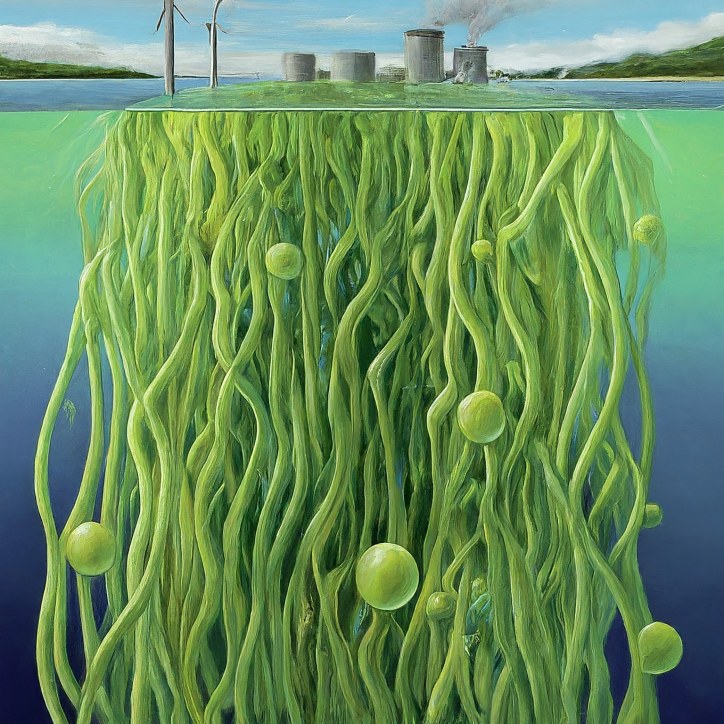
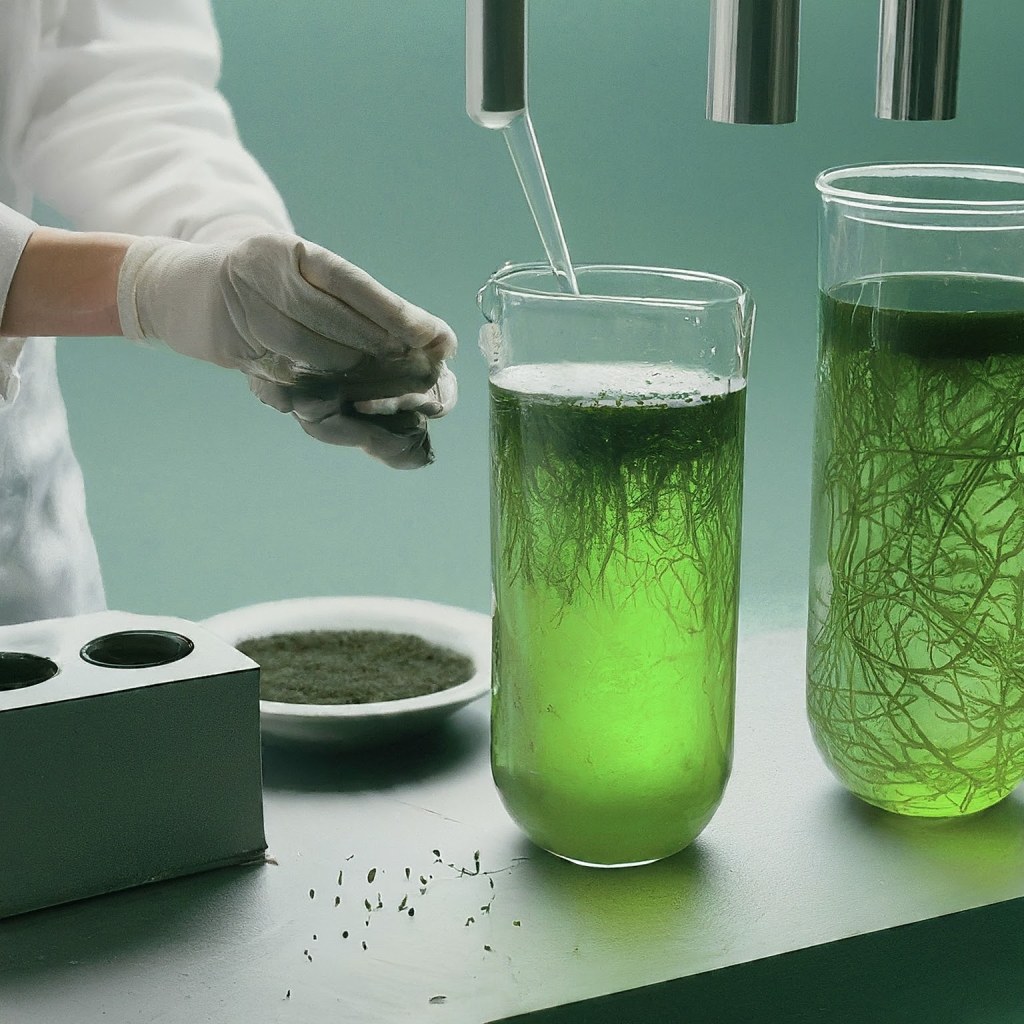
Cyanobacteria, often referred to as blue-green algae, are microscopic organisms capable of rapidly converting sunlight, water, and carbon dioxide into biomass. This biomass can be processed to produce a variety of biofuels, including diesel, gasoline, and jet fuel. The process involves cultivating cyanobacteria in controlled environments, harvesting the biomass, and extracting the desired fuel components.
The Potential of Algae Fuel
Algae Fuel, a biofuel produced from cyanobacteria, offers a compelling investment proposition due to its potential to:
- Mitigate Climate Change: Cyanobacteria consume carbon dioxide, a primary greenhouse gas, and produce oxygen, thereby contributing to climate change mitigation.
- Generate Renewable Energy: Algae Fuel can serve as a clean and renewable alternative to fossil fuels, reducing dependence on finite resources.
- Economic Growth: The production and distribution of Algae Fuel can create new jobs and stimulate economic growth.
- Environmental Benefits: Algae cultivation can help restore degraded ecosystems and improve water quality.
The Process
- Photosynthesis: Cyanobacteria use sunlight as energy to convert carbon dioxide and water into glucose (a type of sugar) through photosynthesis. This process also releases oxygen as a byproduct.
- Biomass Accumulation: The produced glucose is used by the cyanobacteria to build their cellular components, including lipids (fats).
- Harvesting: Once the cyanobacteria have accumulated sufficient biomass, they are harvested.
- Lipid Extraction: The lipids, rich in energy, are extracted from the cyanobacteria.
- Biomass Conversion to Syngas: Gasification: Biomass is heated in the absence of oxygen to produce a gas mixture primarily composed of carbon monoxide, hydrogen, and carbon dioxide, known as syngas. Pyrolysis: A similar process but without oxygen injection, producing bio-oil, biochar, and syngas. Fischer-Tropsch Process: Syngas is converted into liquid hydrocarbons, which can be refined into gasoline, diesel, or jet fuel. This process requires high pressure and specific catalysts.
- Biofuel Production: These lipids can be converted into various biofuels through different processes:
- Biodiesel: Lipids are chemically converted into fatty acid methyl esters (FAME), which can be used as a diesel fuel substitute.
- Bioethanol: Sugars from the cyanobacteria can be fermented to produce ethanol, a biofuel commonly used as a gasoline additive.
- Biojet Fuel: Advanced processes can convert cyanobacteria-derived oils into hydrocarbon fuels suitable for jet engines.
Key Points:
- Cyanobacteria are a renewable resource that can be cultivated in large quantities.
- The production of biofuels from cyanobacteria can help reduce greenhouse gas emissions.
- Research and development are ongoing to improve the efficiency and cost-effectiveness of algae fuel production.

Investment Opportunities and Financial Projections
Investing in Algae Fuel presents a unique opportunity to capitalize on a burgeoning industry with substantial financial rewards. Potential investment areas include:
- Algae Cultivation: Developing advanced cultivation techniques to maximize biomass yield and reduce costs.
- Fuel Extraction Technology: Investing in research and development to optimize fuel extraction processes.
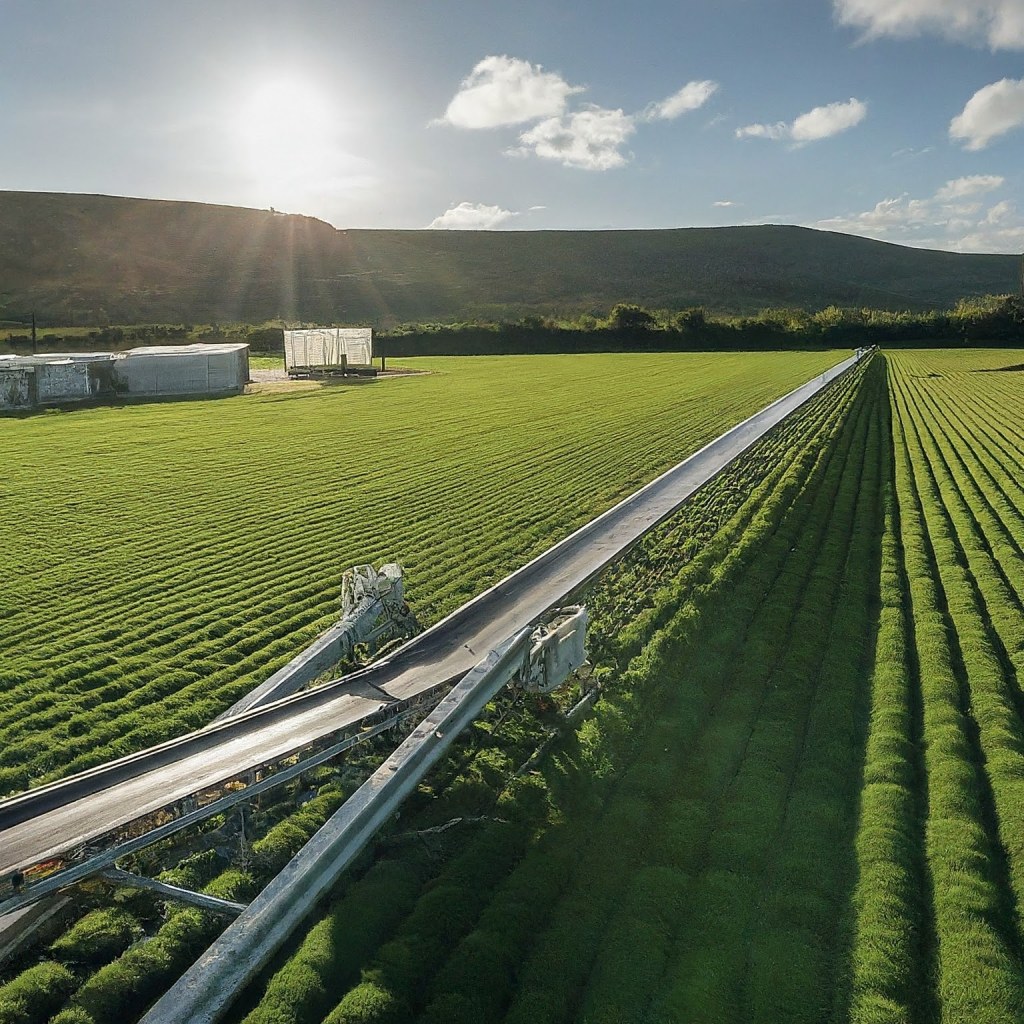
- Infrastructure Development: Building processing facilities and distribution networks for Algae Fuel.
Market Analysis The global biofuels market is projected to reach $150 billion by 2025, driven by increasing demand for clean energy sources and stringent environmental regulations. The algae fuel market, a subset of this, is estimated to grow at a CAGR of 25% from 2023 to 2030.
Financial Projections Based on conservative estimates, a commercial-scale algae fuel production facility can generate an annual revenue of $50 million within five years of operation. With a projected gross margin of 30%, the project is expected to achieve profitability within 7 years. Additionally, carbon credits generated from carbon sequestration can provide a significant revenue stream.
Explanation of Estimates
- Global biofuels market ($150 billion by 2025): This figure is based on industry reports and projections. The actual size of the market may vary.
- Algae fuel market growth (25% CAGR): Algae fuel is a relatively new industry, and high growth rates are anticipated due to technological advancements and increasing investments.
- Revenue and profitability: These figures are based on assumptions about production costs, selling prices, and operational efficiency. Actual performance may deviate.
To achieve our ambitious goals, we are seeking investment at various stages of our development:
- Seed Stage: With an investment of $100,000 to $2 million, you can play a pivotal role in validating our concept and developing a minimum viable product (MVP). Your support will be instrumental in proving the feasibility of our technology and laying the foundation for future growth.
- Early-Stage (Series A): By investing $2 million to $15 million, you will be instrumental in scaling our operations, expanding our team, and entering the market. This stage focuses on refining our technology, building a strong market presence, and securing key partnerships.
- Later-Stage (Series B and beyond): For investors seeking substantial returns, we offer opportunities to participate in large-scale production, marketing, and expansion. Investments in this stage typically range from tens of millions to hundreds of millions of dollars.
I believe that Algae Fuel has the potential to revolutionize the energy industry and contribute significantly to a sustainable future. Your investment will not only generate financial returns but also have a positive impact on the environment.
Risk Mitigation and Sustainability
While Algae Fuel offers significant potential, it is essential to address potential risks and challenges. These include:
- Technological hurdles: Overcoming technical challenges related to cultivation, harvesting, and fuel extraction.
- Market competition: Establishing a competitive position in the biofuel market.
- Regulatory environment: Navigating complex regulatory frameworks.
To mitigate these risks, a robust research and development program, coupled with strategic partnerships, is crucial. Additionally, a strong emphasis on sustainability and corporate social responsibility will enhance the project’s reputation and attract environmentally conscious investors.
Call to Action
This research paper presents a compelling case for investing in Algae Fuel. By harnessing the power of cyanobacteria, we can create a sustainable future while generating substantial financial returns. We invite investors to join us in this groundbreaking venture and contribute to a cleaner, healthier planet.
 Aguilar Productions