
You might have heard the news: as of October 1, 2025, the U.S. federal government has officially entered a shutdown. While the term “government shutdown” can sound a bit alarming, it’s important to understand what’s happening and, more importantly, how it might affect your daily life.
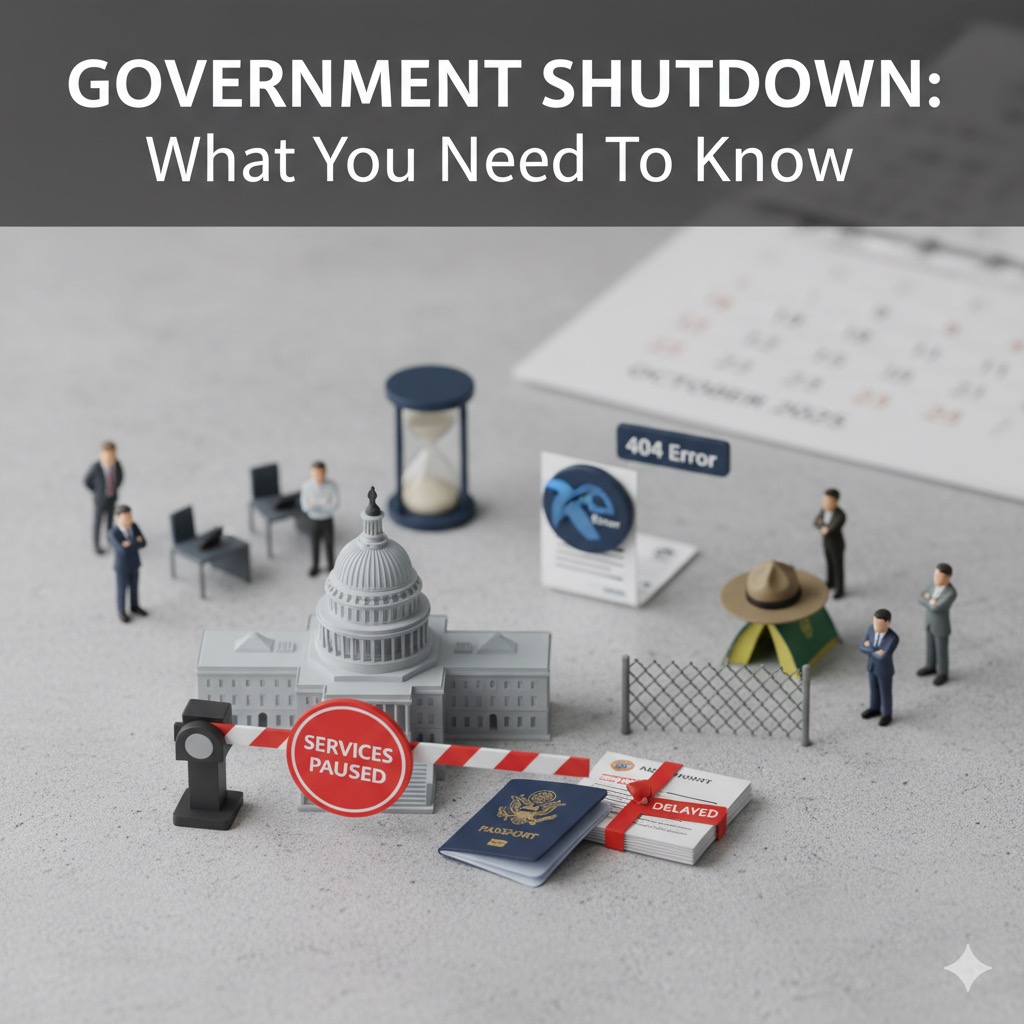
Let’s break it down.
Why Is This Happening?
Simply put, Congress and the White House were unable to agree on how to fund the government for the new fiscal year, which began today. This isn’t entirely new territory for the U.S., but it always stems from a failure to pass the necessary spending bills (or a temporary funding measure) due to disagreements over budgets, spending levels, and various policy issues.
What Does a “Shutdown” Actually Mean?
A government shutdown doesn’t mean the entire government grinds to a halt. Instead, federal agencies are required to cease all “non-essential” functions. Think of it like a temporary pause on certain operations.
Here’s what generally continues:
• Social Security and Medicare: Your benefits will still be paid out on time.
• Military Operations: Our armed forces continue their duties.
• Law Enforcement & Public Safety: Critical functions like border patrol, federal law enforcement, and air traffic control remain active.
• Veterans Benefits: Payments and essential services for veterans typically continue.
• Emergency Services: Responses to natural disasters or other emergencies are maintained.
Here’s what generally stops or is delayed:
• National Parks & Museums: Many will close or have limited services.
• Passport and Visa Processing: Non-urgent applications could face significant delays.
• Loan Applications: Processing of some federal loans (e.g., small business, housing) may be delayed.
• Scientific Research: Many federal research projects are paused.
• Agency Websites & Helplines: Some non-essential online services or customer support lines may be unstaffed.
• Federal Employee Furloughs: Hundreds of thousands of federal workers are temporarily out of work, meaning less staff to provide services.
What Should You Do?
For most people, the immediate impact might be minimal, but it’s wise to be aware, especially if you have upcoming interactions with federal agencies.
• Check Before You Go: If you plan to visit a national park, museum, or need to interact with a specific federal agency, check their official website or social media channels first for updated operating status.
• Stay Informed: Follow reputable news sources for updates on negotiations in Washington.
• Be Patient: Expect potential delays if you have pending applications, permits, or need federal services that are deemed non-essential.
Looking Ahead
The duration of this shutdown is uncertain. It could last a few days or several weeks, depending on how quickly a compromise can be reached in Congress. The hope is always for a swift resolution to minimize disruption to both federal employees and the public they serve.
We’ll keep you updated as more information becomes available
 Aguilar Productions